

Is Exposed Aggregate Good for a Patio? Pros, Cons, and Maintenance
Michelle Lee • October 29, 2026
Exposed aggregate is a great option for a concrete patio if you want a durable surface with a natural stone appearance and added texture. It works especially well for outdoor spaces that experience frequent rain, although the rougher surface and maintenance requirements may not suit every homeowner.
At LME Concrete, we provide concrete patio installation and other concrete services in Salem, Oregon, and surrounding areas. We help homeowners choose finishes that fit their outdoor spaces, personal preferences, and everyday needs.
Before choosing exposed aggregate for your patio, it's worth understanding its benefits, potential drawbacks, costs, and maintenance needs.
What Is an Exposed Aggregate Concrete Patio?
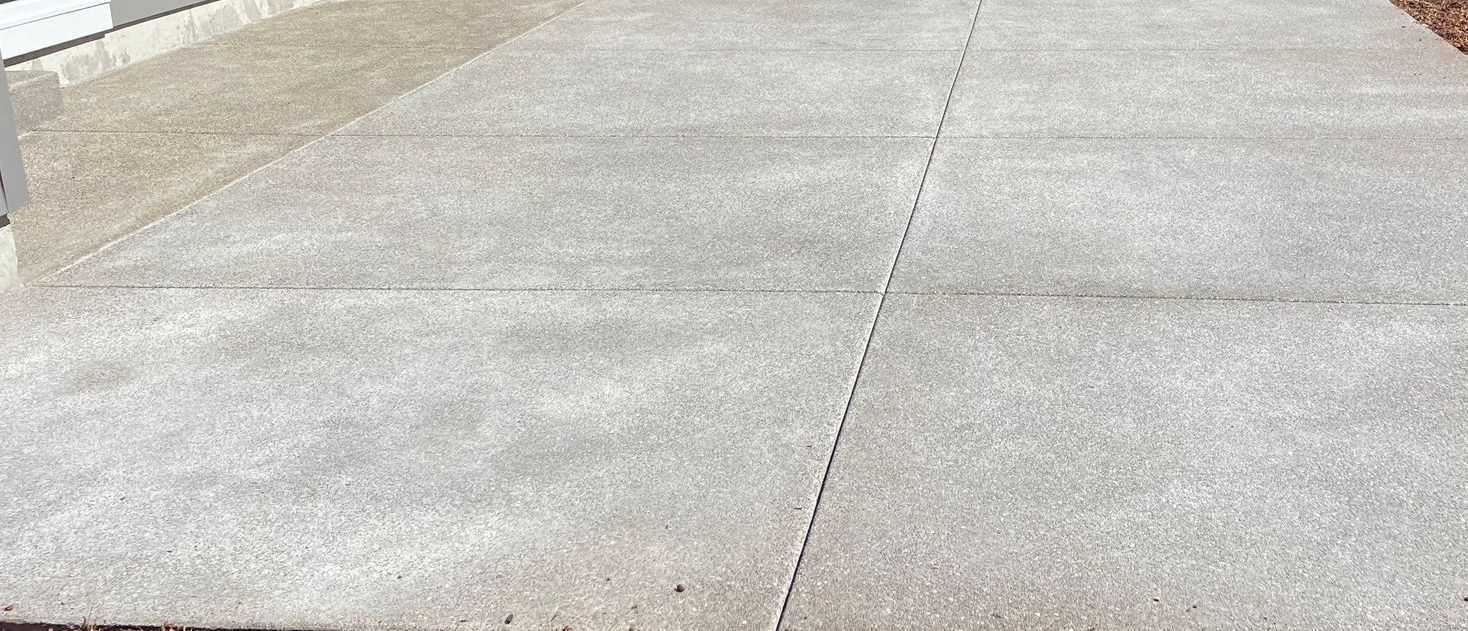
An exposed aggregate patio is a concrete surface finished to reveal the small stones and pebbles mixed into the concrete. Instead of having a smooth surface, the patio has a decorative, textured appearance that resembles natural stone.
During installation, the concrete is poured and leveled. The contractor then carefully removes a thin layer of surface cement paste to expose the aggregate underneath. Once the surface has properly cured, it can be cleaned and sealed to help protect the finish. The final appearance depends on the size, color, and type of stones used. Some homeowners prefer small, subtle pebbles, while others choose larger decorative stones for a more noticeable texture.
Benefits of Exposed Aggregate for Outdoor Patios
One of the biggest advantages of exposed aggregate is its natural appearance. The visible stones add character without requiring separate pavers or decorative patterns.
It's also a practical choice for busy outdoor spaces. When properly installed, exposed aggregate concrete provides a strong surface for patio furniture, grilling areas, and everyday foot traffic.
Other benefits include its ability to complement different landscaping styles and its textured finish, which can help disguise minor dirt and everyday surface wear. Because the color comes partly from the stones themselves, exposed aggregate can create an attractive patio without relying entirely on surface coloring.
Potential Drawbacks of Exposed Aggregate Concrete
Although exposed aggregate has several advantages, there are a few things to consider before choosing it.
The biggest drawback for some homeowners is the surface texture. Larger or sharper stones can feel uncomfortable under bare feet, especially around seating areas where children frequently play. The uneven surface can also collect dirt between the exposed stones, making cleaning slightly more involved than with smooth concrete.
Installation requires careful timing and proper finishing techniques. If too much surface material is removed or the aggregate isn't adequately embedded, stones may loosen over time.
Repairs can also be more noticeable because matching the original stone color and distribution isn't always easy.
Is Exposed Aggregate Slippery When Wet?
Exposed aggregate generally provides good traction when wet because the stones create a textured walking surface. This makes it worth considering for patios in Salem, where rainy weather is common.
However, not every exposed aggregate finish provides the same slip resistance. The texture of the stones, the amount of aggregate exposed, and the type of sealer all affect how the surface feels underfoot.
For example, a glossy sealer may make certain finishes more slippery, particularly when moisture is present. Algae and moss can also develop on damp, shaded surfaces. Regular cleaning and proper drainage help keep your patio safer and easier to maintain.
Exposed Aggregate vs. Broom Finish and Stamped Concrete
Choosing between exposed aggregate, broom finish, and stamped concrete comes down to appearance, comfort, maintenance, and budget.
Exposed aggregate offers a natural stone look with noticeable texture. It's a good fit for homeowners who prefer an organic appearance rather than a decorative pattern. Broom-finished concrete has a simpler appearance. Its fine texture provides traction, and it's generally one of the more affordable finishing options. Stamped concrete offers greater design flexibility, with patterns that resemble stone, brick, or other materials. However, it typically requires more decorative finishing work and ongoing attention to its sealer.
How Much Does an Exposed Aggregate Patio Cost?
An exposed aggregate patio generally costs more than basic broom-finished concrete because creating the decorative surface requires additional labor and finishing work. The final price depends on several factors, including the patio's size, concrete thickness, site accessibility, ground preparation, and decorative stone selection.
For example, a backyard with difficult equipment access may require more labor than an open area where materials can be delivered easily. Custom aggregate blends and additional sealing can also increase the cost.
Before comparing estimates, ask contractors what's included in the price, particularly excavation, base preparation, drainage, finishing, and sealing. A detailed written estimate will give you a more accurate picture of your investment.
Cleaning and Maintaining an Exposed Aggregate Patio
Keeping an exposed aggregate patio looking good doesn't require complicated maintenance, but regular attention makes a difference.
Start by sweeping away leaves, dirt, and other debris. You can wash the surface with water and a mild cleaner when needed. A soft or medium-bristle brush helps remove dirt trapped between stones. In Salem's damp climate, pay particular attention to shaded areas where moss and algae may develop.
Sealing can help protect against staining and moisture exposure, although the appropriate product and resealing schedule depend on the finish. Avoid harsh cleaning chemicals and excessively aggressive pressure washing, which may damage the surface or loosen exposed stones.
How Long Does an Exposed Aggregate Patio Last?
A properly installed exposed aggregate patio can last for decades with appropriate maintenance. Its lifespan depends heavily on the quality of the installation, soil conditions, drainage, and everyday use.
Good preparation is especially important. A stable, compacted base supports the concrete and helps reduce the risk of uneven settling. Control joints, which are planned grooves or cuts in the concrete, help manage where cracks develop as the concrete shrinks. Keeping water from collecting around the patio also helps protect its long-term condition.
Like any concrete surface, exposed aggregate can develop cracks or wear over time, but proper installation and maintenance can reduce avoidable problems.
Choosing the Right Exposed Aggregate Finish for Your Patio
The best exposed aggregate finish isn't necessarily the one with the largest or most decorative stones. It's the one that works with how you plan to use your patio. For example, a patio designed for outdoor dining may benefit from smaller, rounded stones that feel more comfortable underfoot and create a more practical surface for furniture.
Larger stones can create a bolder appearance but may feel rougher when walking barefoot. Example scenario: A homeowner planning a patio for family gatherings may prefer a smaller aggregate with a subtle color blend rather than a heavily textured finish. This balances appearance with everyday comfort. When planning your patio, consider your furniture, surrounding landscaping, drainage, and maintenance preferences. Ourconcrete patio installation services can help you explore suitable designs and finishes for your property.
FAQs
How often should an exposed aggregate patio be resealed?
An exposed aggregate patio may need resealing every few years, depending on weather exposure, foot traffic, and the type of sealer used. Some products last longer than others. If the surface begins absorbing water more readily or appears worn, ask your contractor whether cleaning and resealing are appropriate.
Can you pressure wash an exposed aggregate patio?
You can pressure wash some exposed aggregate patios, but excessive pressure can damage the surface or loosen stones. Use a suitable low-pressure setting, keep the nozzle moving, and avoid spraying too closely. For older or deteriorating concrete, gentle cleaning with water, mild detergent, and a brush is often safer.
Is exposed aggregate uncomfortable to walk on barefoot?
Exposed aggregate can feel uncomfortable under bare feet, particularly when larger or angular stones are used. Smaller, rounded stones generally create a more comfortable walking surface. If your patio will be used frequently without shoes, ask your contractor to show you samples so you can feel the texture before choosing a finish.
Plan Your Concrete Patio With LME Concrete
Choosing the right patio finish can make a big difference in how your outdoor space looks, feels, and holds up over time. Exposed aggregate offers a great combination of natural beauty and durability, but it's important to choose a finish that fits your lifestyle, maintenance preferences, and budget.
If you're planning a new concrete patio in Salem, Oregon, or the surrounding areas, LME Concrete is here to help. Whether you're interested in exposed aggregate or exploring other decorative finishes, our team can help you find the right option for your home.
Contact us today at
(503) 270-1575 to discuss your project and get started on a patio you'll enjoy for years to come.

Expert Contribution by Aparicio Lopez Hernandez,
Owner of LME Concrete
With 20 years of hands-on experience in concrete work, Aparicio Lopez Hernandez knows how to turn a simple concrete project into something beautiful and built to last. After learning the trade and working with different concrete companies over the years, he started his own family-owned business, LME Concrete, in 2021. Today, he helps homeowners and businesses throughout Salem, OR, and surrounding areas with concrete driveways, patios, foundations, decorative finishes, and more. He takes pride in treating every project like it's his own home, with a focus on quality workmanship and attention to detail.